
For Chief Information Officers, social media has evolved from a simple networking tool into a critical resource for tracking technology trends and leadership strategies. Platforms like LinkedIn and X offer direct access to executives, economists, and researchers who share ideas that can shape a company’s tech roadmap. Instead of relying solely on official press releases, many IT leaders are turning to these digital spaces to find voices that challenge conventional thinking and provide actionable insights.
CIOs turn to social platforms for strategic insights
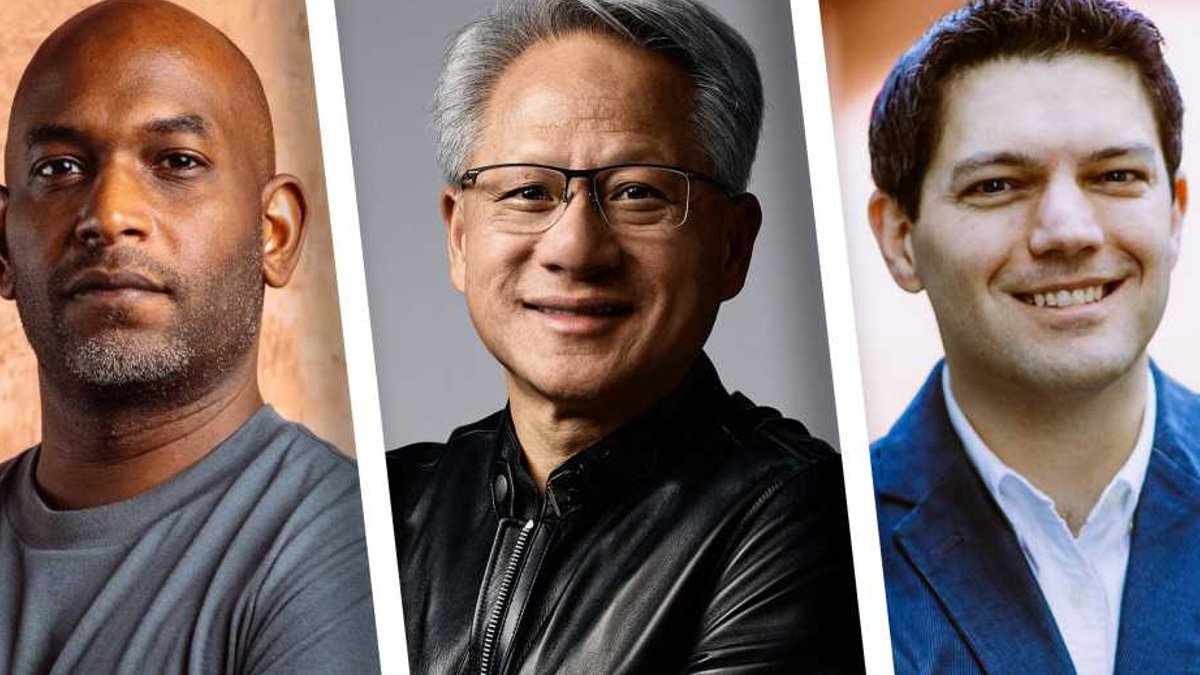
Nvidia founder Jensen Huang is frequently cited for his technical depth and leadership approach. Jose Martinez, managing director at Exos IT, finds his insights fascinating and notes that Huang is a bold thinker who builds a culture of continuous learning. Martinez believes this is incredibly valuable in an evolving tech environment. His observations suggest Huang is looking to better the lives of his employees, clients, and community, and Martinez aligns with this goal. The content helps him think differently, and with the rise of artificial intelligence, his leadership style offers technical depth that is highly relevant.
Jason Crawford offers a different angle, focusing on the history and philosophy of progress. Yaron Hadad, CEO of Beehive Software, describes Crawford as an under-the-radar voice more CIOs should know. Crawford is considered one of the most important thinkers on technological progress, and Hadad follows Crawford because his attention and capital directly drive where the industry moves next.
For practical cloud infrastructure advice, Kelsey Hightower is a go-to source. Sai Joshitha Kathari, a senior site reliability engineer at Visa, values Hightower’s work because he brings the conversation back to simplicity.
The difficulty often lies in maintaining these systems long-term rather than just picking the right tools. What matters most to technology leaders is ensuring teams can operate these systems reliably. It’s a bit of a rarity to see such a practical focus on the people who have to run the code every day.
Mustafa Suleyman, CEO of Microsoft AI, looks beyond the code to analyze how artificial intelligence alters governance and labor markets. Matt Hasan pays the closest attention to Suleyman because he thinks beyond the technology itself. Hasan notes that Suleyman consistently explores how AI changes institutions and power structures.
Related: Why You Should Study Chemistry?
That focus has influenced his own thinking about the concentration of AI capability in the hands of a small number of organizations. For CIOs, this perspective is valuable because AI is no longer simply a technology investment, but a strategic and infrastructural issue.
Kevin Benedict bridges the gap between emerging technologies and business results. Paul Bailo, founder of Landit.ai, consistently follows Benedict because he delivers perspectives at the intersection of AI, digital transformation, and leadership. What distinguishes him is his ability to translate emerging technologies into practical business strategies.
Rather than focusing on hype, Benedict focuses on execution and organizational impact. His views are practical and immediately applicable, making him one of the most valuable voices for executives leading digital transformation.
Ethan Mollick covers a broad spectrum of AI topics with high frequency. Andreas Welsch, founder of Intelligence Briefing, follows Mollick because he covers everything from academic papers to showing model improvements by using his own “otter on a plane writing emails” benchmark. Mollick frequently gets access to the latest models before they come out. When they do, his posts give a glimpse of what’s new, grounded in longer experience with the products.
Dado Van Peteghem provides strategic guidance on the future of work. Max Vermeir, VP of AI strategy at ABBYY, suggests Van Peteghem for his focus on aligning technology with culture.
Van Peteghem helps leadership teams understand that digital transformation goes beyond technology upgrades. He spells out how AI changes workflows and how organizations should redesign operating models to decide what should be automated versus what should remain human-driven. His views align with what Vermeir advocates, and his support for Van Peteghem highlights the importance of the idea of digital ecosystems.
David Forino, co-founder of Quanted, discusses the data challenges in finance. Charlie Simionescu-Marin notes that Forino, who led AI research at Volkswagen’s self-driving team, often posts about the data bottleneck. He explains how teams in quant finance spend more time keeping data pipelines running than doing research.
Related: What is Tungsten Carbide Coating and why is it so Special?
This is the same problem most companies run into when they roll out AI, making his tips always helpful from someone adjacent to them.
Justina Nixon-Saintil, IBM’s chief impact officer, emphasizes responsible innovation. Natalia Crosdale, COO of Salynt, has a unique perspective because she has benefited from her guidance and mentorship through Salynt. Crosdale stands out because her focus is on responsible innovation, workforce transformation, and AI governance.
She talks about the people and organizational side of adoption, which is often overlooked. Her perspective highlights that successful AI adoption is as much about trust and culture as it is about the technology itself.
Niall Ferguson, a senior fellow at the Hoover Institution, offers a historical perspective on technology’s consequences. Bill Huber, a partner at ISG, gets the most value from thought leaders who focus on consequences rather than capabilities.
Ferguson is a historian, not a technologist, which is precisely why he is valuable. Technology changes quickly.
Institutions, markets, and power structures change slowly. Understanding the gap between the two is where many of the biggest opportunities and risks emerge.


