
Flourish Ventures’ pre-seed initiative, Madica, has secured an additional $6 million to fund 25–30 African startups within the next three years.
Each startup will get up to $200,000, plus 18 months of mentorship, executive coaching, and investor-readiness support.
The $6 million will go into new pre-seed and seed deals, with no funds set aside for follow-on rounds, according to Madica.
A separate budget pays for founder support, but the figures were not disclosed.
Madica’s new backing comes as early-stage funding becomes harder to secure, with African startups raising between $100,000 and $1 million falling 44% in the first half of 2026.
Most startup funding in Africa is concentrated in four countries: Nigeria, Kenya, Egypt, and South Africa, which took 82% of funding in 2025.
Madica’s investments are focused on founders outside these four markets, with $200,000 cheques in the range investors are pulling back from.
Since its launch in October 2022, Madica has backed 18 startups in 10 countries, with its first investments made in 2024.
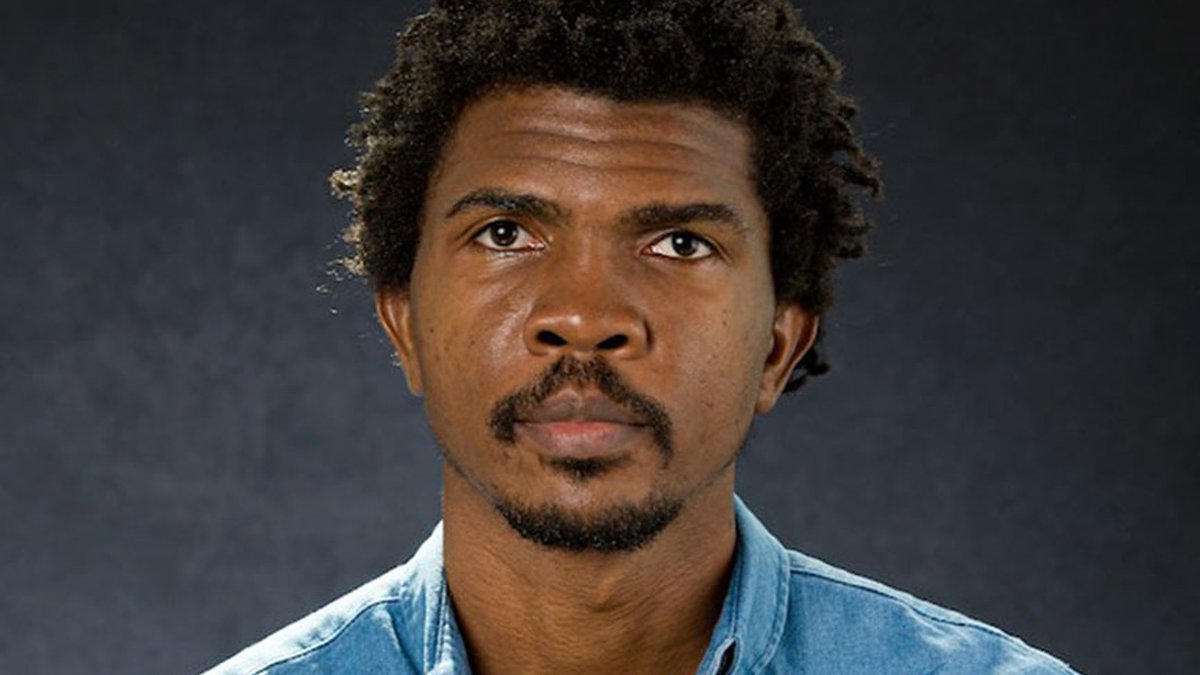
Emmanuel Adegboye, Head of Madica, said, “Three years have given us valuable lessons and encouraging early signals, but building enduring companies and assessing venture outcomes takes longer.”
Madica’s portfolio companies have gone on to raise, on average, twice its investment from other investors, with some companies raising less.
Every company in the portfolio is majority African-owned, with more than half having at least one female co-founder, and 39% having a female CEO.
Madica will judge the extension of its programme by whether its startups turn early traction into lasting growth and show they can deliver venture returns.
The programme aims to encourage other investors to copy what works, which could lead to more early money reaching founders outside Nigeria, Kenya, Egypt, and South Africa.
Geographic expansion and co-investment strategy
At launch, Flourish earmarked an additional $6 million solely for founder-support services, matching the amount currently allocated to startup investments. In September, Madica entered its first markets in Algeria and Cameroon, expanding its geographic reach. Adegboye explained that the program now co-invests on most deals because a single $200,000 check often falls short. This approach allows portfolio companies to supplement the initial funding with additional capital.
Forty percent of Madica’s applications originate from Nigeria, Kenya, Egypt and South Africa, the continent’s primary funding hubs. If the extension proves successful, significantly more early-stage capital could flow to founders operating outside those four markets.


