
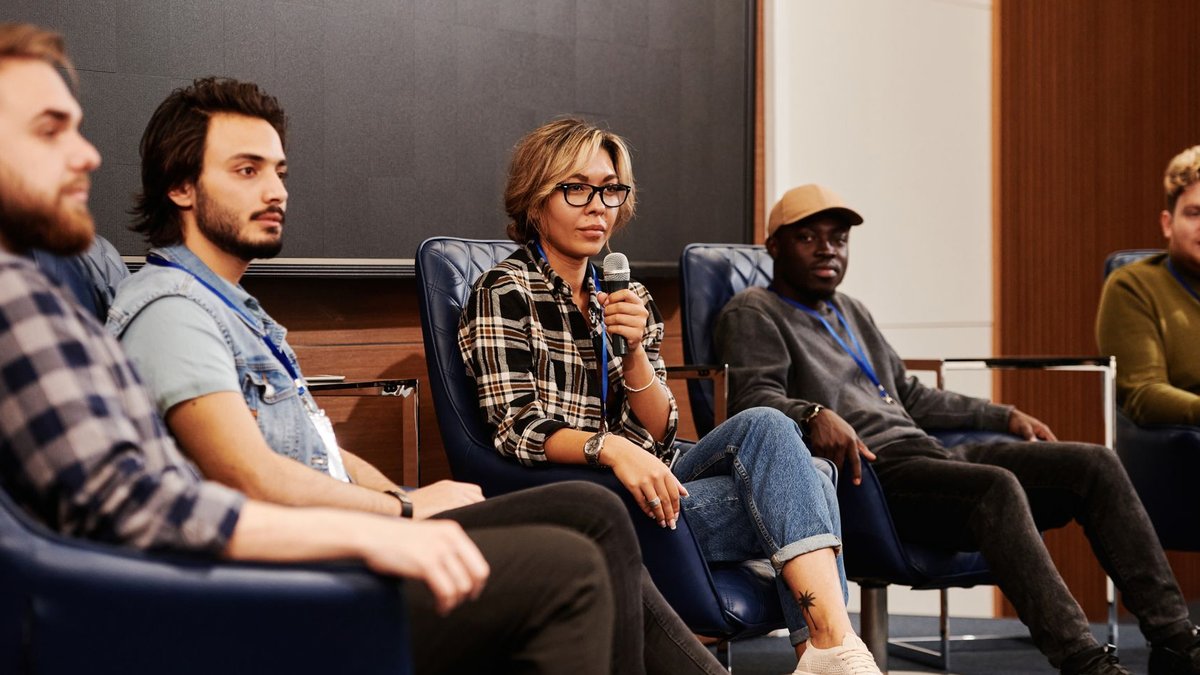
African creators can build a global audience from their first post, but getting paid by that audience, reliably and across borders, remains a challenge. Founders of Selar, Mainstack, and Raenest discussed this issue on a panel at Moonshot by a local conference.
The panel focused on everyday creators, who typically earn little, with 56.45% of Nigerian creators earning less than $100 a month, according to the Nigerian Creator Economy Report 2025.
Ayobami Oyaleke, founder and CEO of Mainstack, described his company as a “commerce platform and financial back office for creators” operating in about 150 countries. He said an audience is potential revenue, but most creators don’t know how to turn their following into income.
Mainstack’s approach is to treat every creator as global from the start, ensuring that payments from abroad are not lost to payment failures. Oyaleke emphasized that tools alone are not enough, and creators must still drive their own revenue.
Douglas Kendyson founded Selar in 2016 to help creators sell digital products online. Selar has paid out over ₦18 billion ($12.9 million) to nearly 400,000 creators and is now bootstrapped and profitable.
Kendyson noted that Selar does not find customers for creators, instead focusing on providing a reliable payment platform. The company’s affiliate network has become a significant source of revenue, with marketers selling creators’ products for a commission.
Sodruldeen Mustapha, co-founder and CTO of Raenest, highlighted the importance of control in payment features for creators. He argued that creators should be able to collect earnings from clients anywhere, in any currency, and have control over their funds once they are received.
The three founders agreed that the core problem is the difficulty in getting paid across borders. A creator in Lagos can have followers in Europe and the United States from day one, but the money often struggles to make the same trip.
Kendyson emphasized that the next generation of creators needs a reliable payment infrastructure that works, rather than new or unique solutions. He noted that the existing infrastructure is still fractured, and a working solution is essential. They need a system that can handle payments efficiently, allowing creators to focus on their work.


