
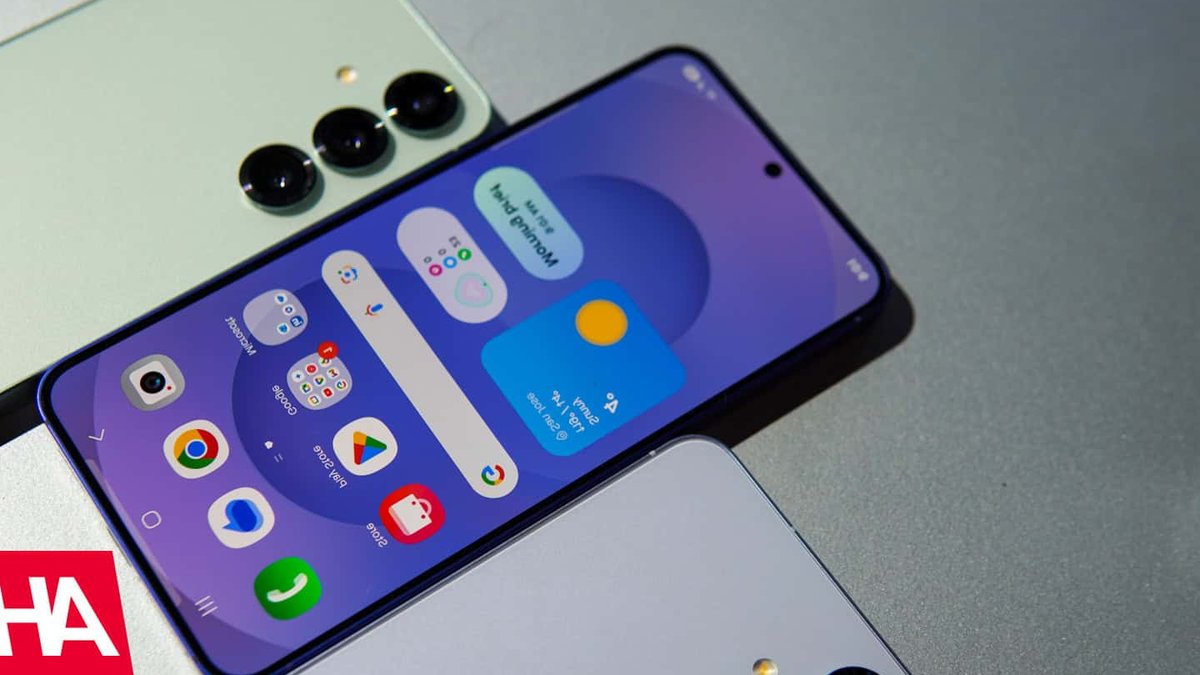
When you glance at your lock screen each morning, the image you chose may be doing more than reflecting personal taste; a recent survey suggests it also invites silent judgments from others.
Survey finds a sizable share of Americans judge character from lock screens
Talker Research surveyed 2,000 U.S. adults and discovered that 14 %—about one in seven respondents—admit to forming opinions about strangers based on the pictures displayed on their phones. The study notes that this habit is not evenly distributed across age groups. A third of Gen Z participants said they evaluate others by the wallpaper they see, while 17 % of millennials reported similar behavior, treating the lock screen as a “vital piece of personal information.”
What images dominate home screens, and what they might signal
The poll also cataloged the most common background choices. Family photos and images of children topped the list, chosen by 19 % of those surveyed. Pets appeared in 10 % of responses—more than the 7 % who favored pictures of romantic partners or spouses. Television or movie stills rounded out the lower end at 5 %.
Ten percent of respondents reported they do not customize their lock screen at all, opting for the manufacturer’s default image. This default wallpaper sparked the most discussion among those who judge backgrounds. Of the 12 % who view a stock wallpaper negatively, the prevailing view is that it signals a lack of creativity or engagement. Yet 32 % of the same group interpret the choice as a sign of practicality and a minimalist mindset that avoids digital clutter.
Another 25 % see the default as an indication that the user treats the phone purely as a functional tool, not an extension of self. The remaining 22 % consider the decision meaningless.
Related: Why It’s Worth Starting Automated Crypto Trading Right Now
These findings highlight a subtle social dynamic: what many consider a trivial aesthetic decision can become a proxy for assessing personality traits, whether that assessment is accurate or not.
Compared with earlier research on social media profiles, this pattern mirrors how people have long inferred traits from curated online images, but the focus on a device held in hand adds a new layer of immediacy. In past studies, profile pictures often served as the primary visual cue, whereas lock screens are seen more frequently in close proximity, potentially amplifying their impact.
Implications for personal branding and privacy
For users who are conscious of the impressions their phones might convey, the data suggest a need to consider how personal or generic images are perceived. While 19 % of participants prioritize family photos, the fact that pets outrank partners may indicate a shift toward more relaxed, pet‑centric identities in public displays.
Conversely, the 10 % who stick with default wallpapers could be viewed through divergent lenses—either as lacking imagination or as adopting a no‑frills approach. The survey does not measure how accurate these judgments are, only that they exist.
Ultimately, the research shows that even seemingly private choices such as lock‑screen imagery can feed into broader social judgments, a reminder that personal branding extends beyond social media feeds to the everyday devices we carry.


