
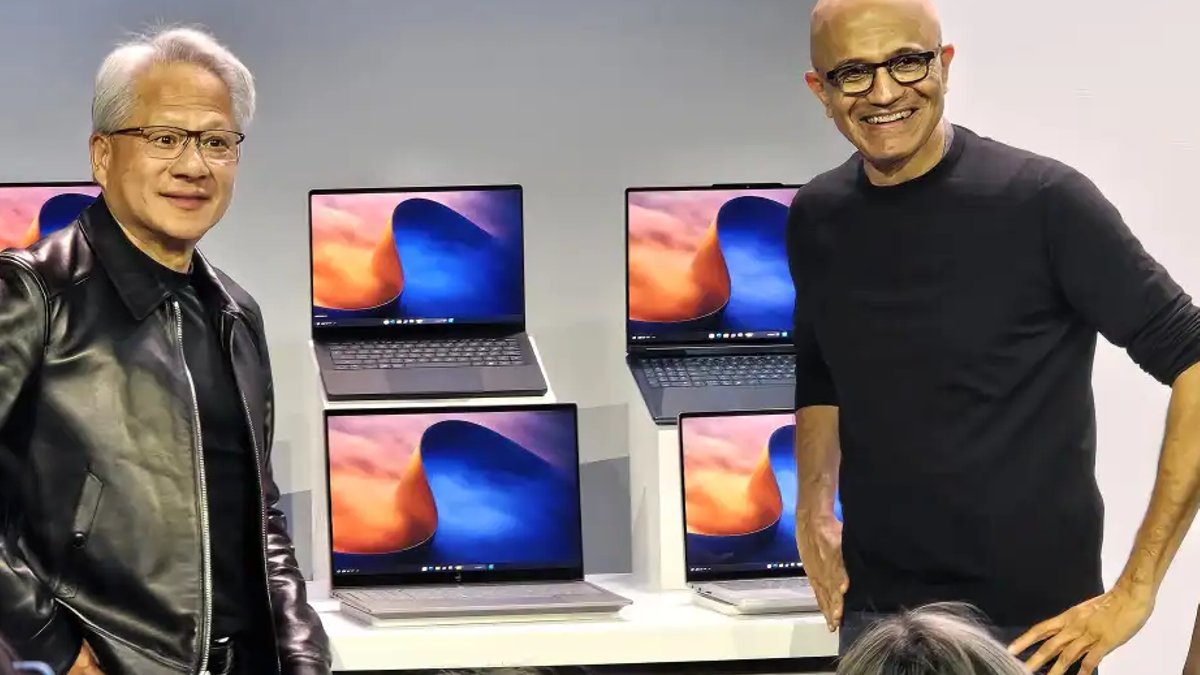
Nvidia’s emphasis appears to be moving away from the traditional PC-gaming market, a shift that long-time hardware enthusiasts are beginning to notice.
Rumor of Flagship Card Discontinuation
A leak posted on X by a source with a track record of accurate disclosures suggests the upcoming RTX 5090 may be pulled from the product line entirely. The report, while unofficial, aligns with recent patterns of limited inventory for the model and has sparked conversation across forums.
The card launched with an MSRP of $1,999, yet market prices have routinely exceeded $5,000.
A quick scan of major online retailers this week returned zero listings for the flagship model, even at inflated price points. Stock-outs have persisted despite the high resale values reported by resellers, indicating that supply constraints remain severe.
Meanwhile, the RTX 5080, RTX 5070 Ti and RTX 5070 remain widely stocked and are considered sufficient for high-resolution, high-frame-rate gaming. These cards continue to use the 16 GB memory configuration that most gamers find adequate for current titles.
The same leak hints at a refreshed RTX 5080 variant equipped with 24 GB of DDR7, a bump that should translate into measurable performance gains over the current 16 GB version. If released, the larger memory pool would help developers push more complex shaders and AI-enhanced effects.
Historically, the chipmaker’s pivot mirrors earlier industry moves where firms redirected resources toward more lucrative segments. In the early 2010s, a comparable shift occurred when a major GPU vendor prioritized data-center chips after consumer margins tightened, reshaping its product roadmap and influencing market expectations.
Financial filings show the firm has become the first trillion-dollar chip company, with data-center revenue now four to five times larger than its consumer-hardware earnings. This imbalance has been reflected in recent earnings calls, where executives repeatedly emphasized growth in cloud and AI services.
Shift Toward Data-Center Business
In its latest SEC filing, the company stopped breaking out GPU sales as a separate line item, instead grouping all graphics-processor revenue with robotics, automotive and telecom segments on the balance sheet. This accounting change signals a broader strategic alignment across its product divisions.
Community Reaction
Listeners of the latest Full Nerd episode expressed disappointment over the rumored end of the RTX 5090. Many voiced concerns about the scarcity of top-tier cards for enthusiasts who rely on cutting-edge hardware for high-performance tasks.
Questions from the PCWorld Discord were answered, ranging from the durability of flash drives to preferred streaming setups for gamers who stream at 144 Hz or higher.
Analysts referenced the author’s observation that Nvidia’s focus on AI workloads has reshaped its product priorities for years, steering development resources toward specialized accelerators.


