
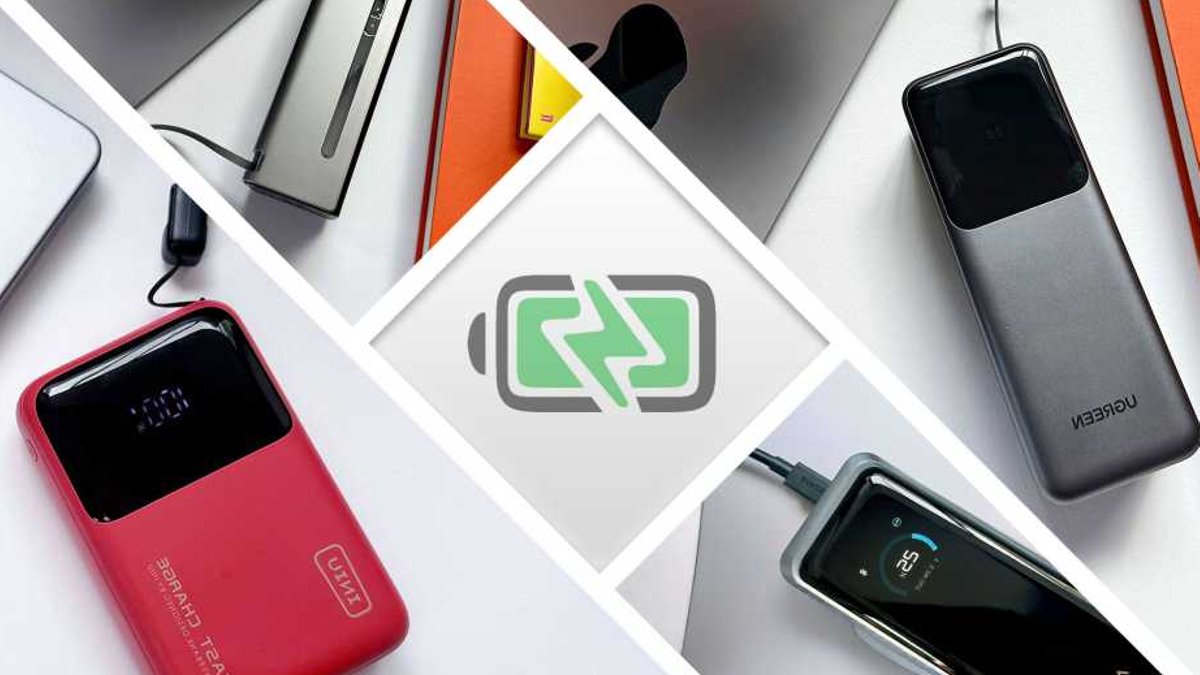
Apple’s latest MacBooks promise longer battery life, yet a day of meetings, video calls, or in‑flight entertainment can still drain even the most efficient models. For users who need to stay powered away from an outlet, a high‑capacity laptop power bank is often the only reliable solution. The right choice depends on balancing capacity, charging speed, and portability—factors that vary widely across the market.
What to look for in a MacBook power bank
The best power banks for Apple laptops share a few key traits. Battery capacity, measured in watt‑hours (Wh), determines how many full charges a power bank can deliver. A 16‑inch MacBook Pro’s battery requires a power bank with at least the same Wh rating to fully recharge it once. Smaller MacBooks, like the 13‑inch Air, can get by with lower‑capacity models.
Related: Snap Settles Social Media Addiction Lawsuit
Charging speed is equally critical. The 16‑inch Pro supports fast charging at 140 W, so a power bank with USB Power Delivery (PD) 3.1 is necessary to take advantage of that. Most other MacBooks charge efficiently at lower wattages, but using a lower‑wattage power bank will slow the process. Total power output matters too—if a power bank has multiple ports, its maximum combined wattage dictates whether it can charge a laptop and phone simultaneously without throttling speeds.
Portability often conflicts with power. Higher‑capacity models tend to be heavier and bulkier, while compact power banks sacrifice runtime. Safety certifications, like UL or CE, are non‑negotiable—cheap, unbranded power banks can overheat or fail under load.
Related: EU demands redesign of addictive Instagram and Facebook
The top performer for 2026 MacBooks
The Anker Prime 26K (300 W) stands out for its balance of power and portability. With a capacity of 99.75 Wh, it can fully recharge a 14‑inch MacBook Pro and still have enough left for a 25 % top‑up. Its two USB‑C ports deliver up to 140 W PD 3.1, enabling fast charging of the 16‑inch Pro, and the total 300 W output allows charging two high‑wattage devices at once. The unit weighs 21.1 oz (599 g) and is airline‑compatible.
Air travel and power bank regulations
Most airlines allow power banks up to 100 Wh in carry‑on luggage, with some permitting up to 160 Wh with prior approval. The U.S. TSA and FAA, U.K. CAA, and EU EASA all follow this standard, though enforcement can vary. Power banks must be carried on—never checked—and some airlines prohibit using them during flight. Watt‑hour ratings are usually printed on the device, but calculating it manually requires multiplying the voltage (V) by the amp‑hour (Ah) capacity.
Related: LDPlayer 14 boosts Windows gaming performance
For frequent flyers, models like the Anker Prime 26K sit just below the limit, avoiding the need for airline approval. Larger power banks exceed the limit and may be confiscated at security. Always check with the airline before traveling, as policies can change.
Ultimately, the best power bank depends on how and where it will be used. Road warriors might prioritize capacity and fast charging, while frequent flyers need to stay within airline limits. Casual users can save money with smaller, lighter models. Sticking with reputable brands ensures safety and reliability—important when powering expensive devices like a MacBook.


