
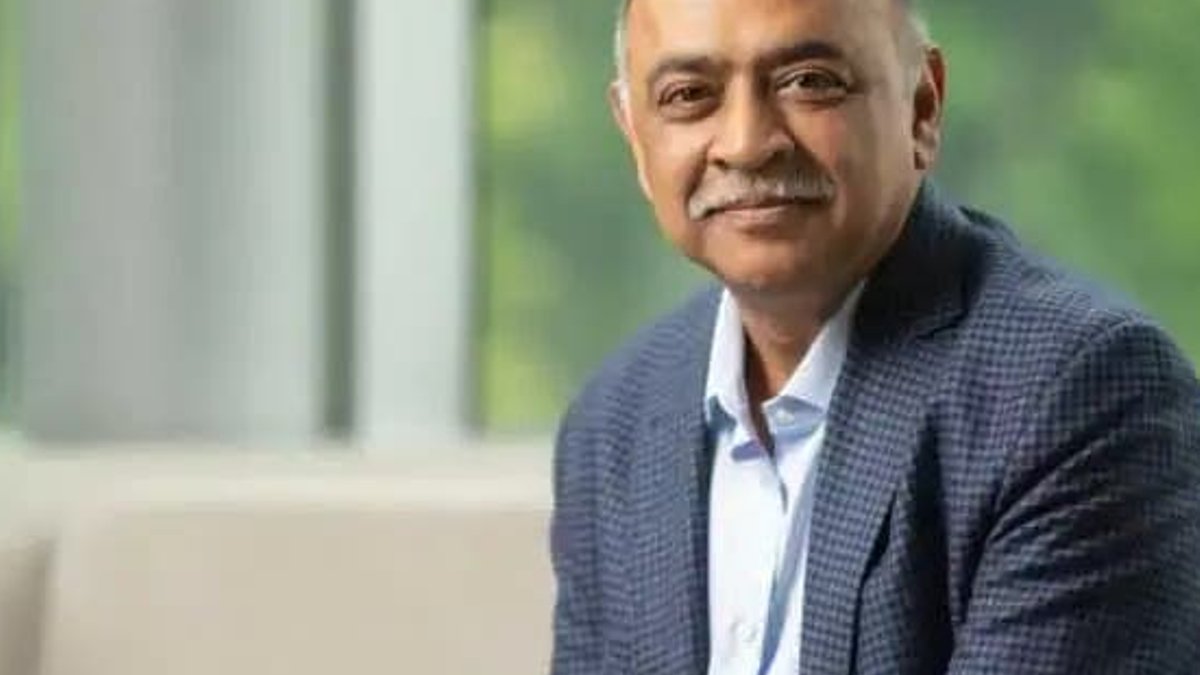
IBM CEO Arvind Krishna caused the company’s stock to drop more than 25% last month after releasing an investor letter eight days before the scheduled earnings call. The decision followed a leadership principle Krishna has long adhered to: “If there’s a hard thing to be done, do it earlier rather than later.”
In a recent interview, Krishna explained that IBM was set to underperform in its upcoming quarterly report. Customers were delaying infrastructure spending, prompting him to disclose the shortfall ahead of the July 22 earnings call. The letter, published on July 14, outlined the challenges and market trends behind the decline. Investors reacted sharply, leading to one of the largest drops in the company’s history.
The decision to release the letter early was intentional. Krishna wanted to avoid spending the week before the earnings call addressing concerns rather than focusing on solutions. By sharing the news upfront, he could use the call to detail IBM’s strategy moving forward.
Krishna remains confident the choice was correct. Customers had reduced spending for two key reasons. Some prioritized data center components to manage rising costs and supply constraints. Others were distracted by reports about the security capabilities of Anthropic’s latest AI model, a competitor in the field. These shifts left IBM facing a weaker quarter than anticipated.
Related: Eleven Tech Experts Every CIO Should Follow
By early August, shares had recovered some losses, trading near $240—still down about 19% since mid-July but up roughly 20% from the low point on July 22.
The partial rebound indicates some investors may be supporting Krishna’s long-term approach. He has a history of strategic patience. In 2018, as IBM’s senior vice president of cloud and cognitive software, he led the $34 billion acquisition of Red Hat. The deal initially drew skepticism, with IBM’s stock dropping 5% on the announcement. Today, Red Hat generates about $8 billion in annual run rate, more than double its revenue at the time of acquisition.
Krishna took over as CEO in April 2020, inheriting a company in the midst of a turnaround. The Red Hat acquisition was a bet on open-source software and hybrid cloud, a strategy that has since become central to IBM’s growth. Challenges remained, including slow revenue growth in some areas. His latest move—disclosing underperformance early—was a calculated risk that could have failed.
Some partners continue to back him. Alex Talmor, president of Toronto-based GlassHouse Systems, an IBM solution provider since the 1990s, said Krishna has earned trust. “Arvind is addressing challenges directly and has a clear vision for IBM’s future,” Talmor noted. He added that the company is making rapid adjustments, including changes to its sales force and coverage models.
David Luftig, executive vice president of strategy and innovation at Pellera Technologies, shared similar confidence. “I trust Krishna’s leadership,” he said, praising IBM’s field teams and innovation plans. Pellera just celebrated one year since its launch after Converge Technology Solutions and Mainline Information Systems merged.
Related: AI Helps US Senate Federal Credit Union Manage Risk
Krishna’s preference for early action reflects his broader leadership philosophy. He believes delays worsen problems. If a decision is unavoidable, he prefers to act immediately, even if the reaction is negative. This approach may not always satisfy short-term investors, but it could prevent larger issues later.
IBM is now betting heavily on AI and quantum computing, investing billions in these areas. Krishna has stated these technologies will shape the next decade, though they remain costly and unproven at scale. If the market grows impatient, IBM could face pressure from activist investors or shareholders demanding changes.
Krishna acknowledged the possibility but said his focus remains on clients and employees. “If performance slips, one should be prepared,” he said. “Activists ultimately seek better returns for clients and investors. If that’s the goal, we must be ready to address it.”
The stock’s partial recovery suggests some investors are giving him time. With AI competition intensifying and economic uncertainty lingering, Krishna’s early-mover approach will soon face another test.


